
MEXA
At the intersection of mental health and AI.
We're a community exploring generative AI solutions that are ethical, evidence‑based, and culturally informed.
Funded by Wellcome and supported by Neuromatch, MEXA brings together researchers, clinicians, technologists, ethicists, and lived-experience experts.

MEXA Accelerator
The MEXA Research Accelerator brought together interdisciplinary teams globally to develop responsible, high-impact research at the intersection of AI and mental health. Through structured mentorship and collaboration, participants refined early ideas with real-world potential.
Community insights
Discover stories, research highlights, and reflections from across the MEXA community. Our blog shares fresh perspectives, program updates, and behind-the-scenes insights on work shaping the future of mental health and AI.
Connect
Join our growing LinkedIn community to stay informed about events, opportunities, and shared learning. Connect with researchers, practitioners, and innovators contributing to the evolving field of mental health and AI.
Partners & supporters
Funded by Wellcome and delivered in collaboration with partners including Google DeepMind and Gooey.AI.



MEXA at a glance
A snapshot of our global, interdisciplinary community
Community members
Countries Represented
Accelerator Teams
Hackathon Participants
MEXA Accelerator
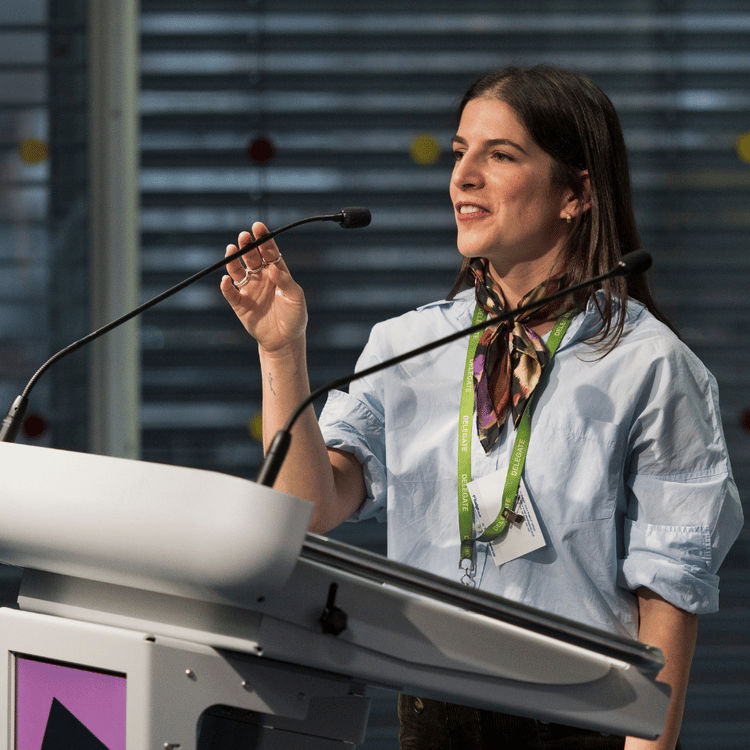
40 teams representing 16 countries and six continents were selected to embark on this journey.
The Accelerator brought together AI researchers, clinicians, ethicists, technologists, and lived-experience experts to co-create foundational research on generative AI for anxiety, depression, and psychosis.
MEXA GenAI x MH Funded Cohort Support Program
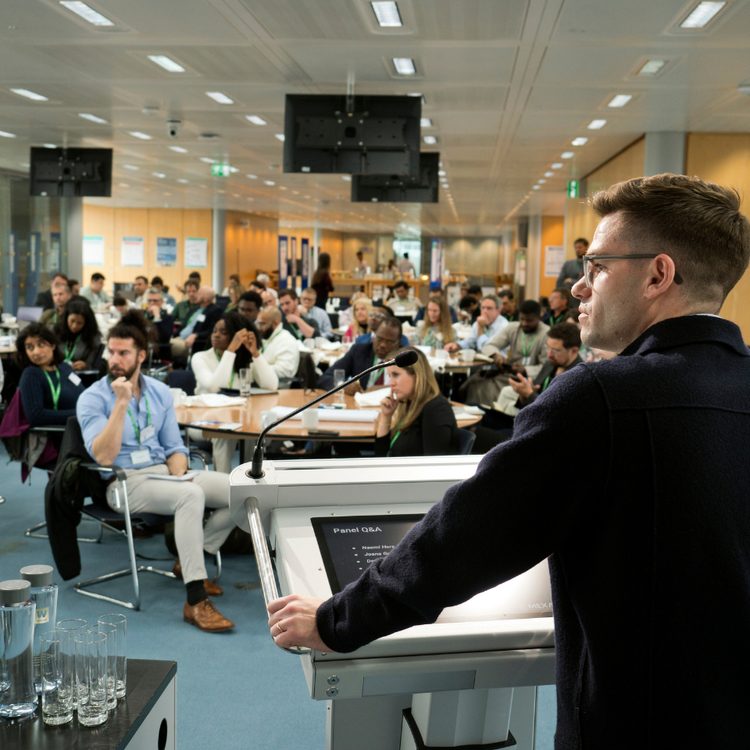
14 interdisciplinary teams from around the world working across anxiety, depression and psychosis.
This program brings these Generative AI for Anxiety, Depression and Psychosis Wellcome funded teams together for coordination, impact planning, responsible research practices, technical collaboration, translation, and shared learning.
Generative AI for Anxiety, Depression and Psychosis funded teams and projects

Advancing Generative AI for Personalised and Collaborative Youth Mental Health Care
Isabelle Scott · University of Melbourne · Australia
AI approach: Generative AI
Mental health focus: Youth mental health
ARtificial Intelligence-based Assessment to Detect iNdividuals with Emerging psychosis risk
Dominic Oliver · University of Oxford · United Kingdom
AI approach: Generative AI · conversational AI · voice AI
Mental health focus: Emerging psychosis risk · early detection
Adaptive Understanding through Real-time Observation, Reporting, and Assistance
Eric Storch · Baylor College of Medicine · United States
AI approach: Generative AI · conversational AI · passive sensing · multimodal measurement
Mental health focus: Depression · measurement · adaptive engagement
Bridging the Treatment Gap with AI-Enhanced Supervision
Julia R. Pozuelo / Vikram Patel · Harvard University · United States
AI approach: AI-enabled supervision · feedback systems
Mental health focus: Depression · behavioural activation · task-sharing
Culturally Aligned Generative AI to Support Para-Counsellors in Low-Resource Mental Health Settings
Syed Ishtiaque Ahmed · University of Toronto · Canada
AI approach: LLMs · causal knowledge graphs · GraphRAG · culturally aligned GenAI
Mental health focus: Anxiety · depression · psychosis · frontline care

Culturally Adapted Generative AI Model for Mental Health Screening in Kenya and Tanzania
Tatenda Kavu · African Population & Health Research Centre · Kenya
AI approach: Generative AI · bilingual LLM · multimodal/longitudinal data
Mental health focus: Depression · anxiety · psychosis · screening

Leveraging Generative AI to Adapt and Enhance Mental Health Assessment in Low-Resource Contexts
Isaac Olufadewa · Slum and Rural Health Initiative · Nigeria
AI approach: Multimodal AI · generative AI · multilingual LLMs · voice and text
Mental health focus: Depression · anxiety · screening

Human–AI Teaming Therapeutic Companion for Torture Survivors with PTSD
Jacqui Gratton · Freedom from Torture · United Kingdom
AI approach: Generative AI · human–AI teaming
Mental health focus: PTSD · trauma

Human-in-the-loop Evaluation of Assisted Depression Screening
Lekhansh Shukla · National Institute of Mental Health and Neuro Sciences · India
AI approach: LLMs · automatic speech recognition · translation · human-in-the-loop AI
Mental health focus: Depression · screening · diagnosis and severity

Generative AI for Simulated Conversations: Preparing Frontline Workers and Volunteers to Support Youth with Anxiety and Depression
Lydia Sequeira · Kids Help Phone · Canada
AI approach: Generative AI · simulated conversations
Mental health focus: Youth mental health · anxiety · depression · workforce training
Resilience Across Intergenerational Stresses and Emotional Health through AI-Enabled Discovery
Lauren White · Children's Hospital of Philadelphia · United States
AI approach: Multimodal AI · computer vision · speech analysis · physiological data
Mental health focus: Childhood anxiety · early risk and resilience

SYmptom Learning through Foundation models to Augment and ENhance measurement in PSYchosis
Antonio Pardiñas · Cardiff University · United Kingdom
AI approach: Foundation models · multimodal data · LLM-based information extraction and inference
Mental health focus: Psychosis · symptom measurement

Scalable, Culturally-Informed AI for Fidelity Feedback and Adaptive Training in Youth Mental Health
Christine Wasanga · Shamiri Institute · Kenya
AI approach: Multilingual automatic speech recognition · prosodic analysis · AI-in-the-loop supervision
Mental health focus: Youth mental health · task-sharing · psychological interventions
Steering-Vector Enhanced LLM Agents for Realistic Digital Twins in Mental Health
Joao Sedoc · New York University · United States
AI approach: Large language models · LLM agents · steering vectors · digital twins
Mental health focus: Mental health research / simulation
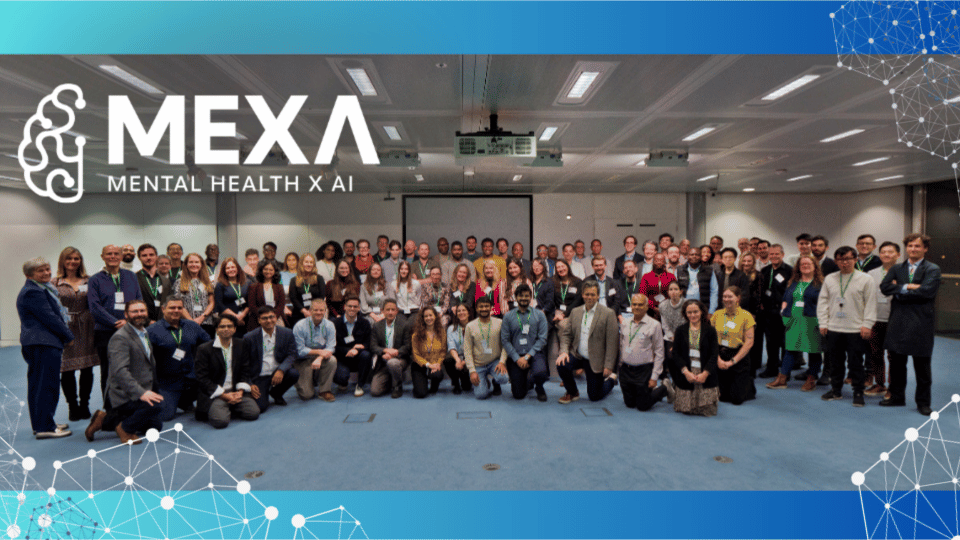
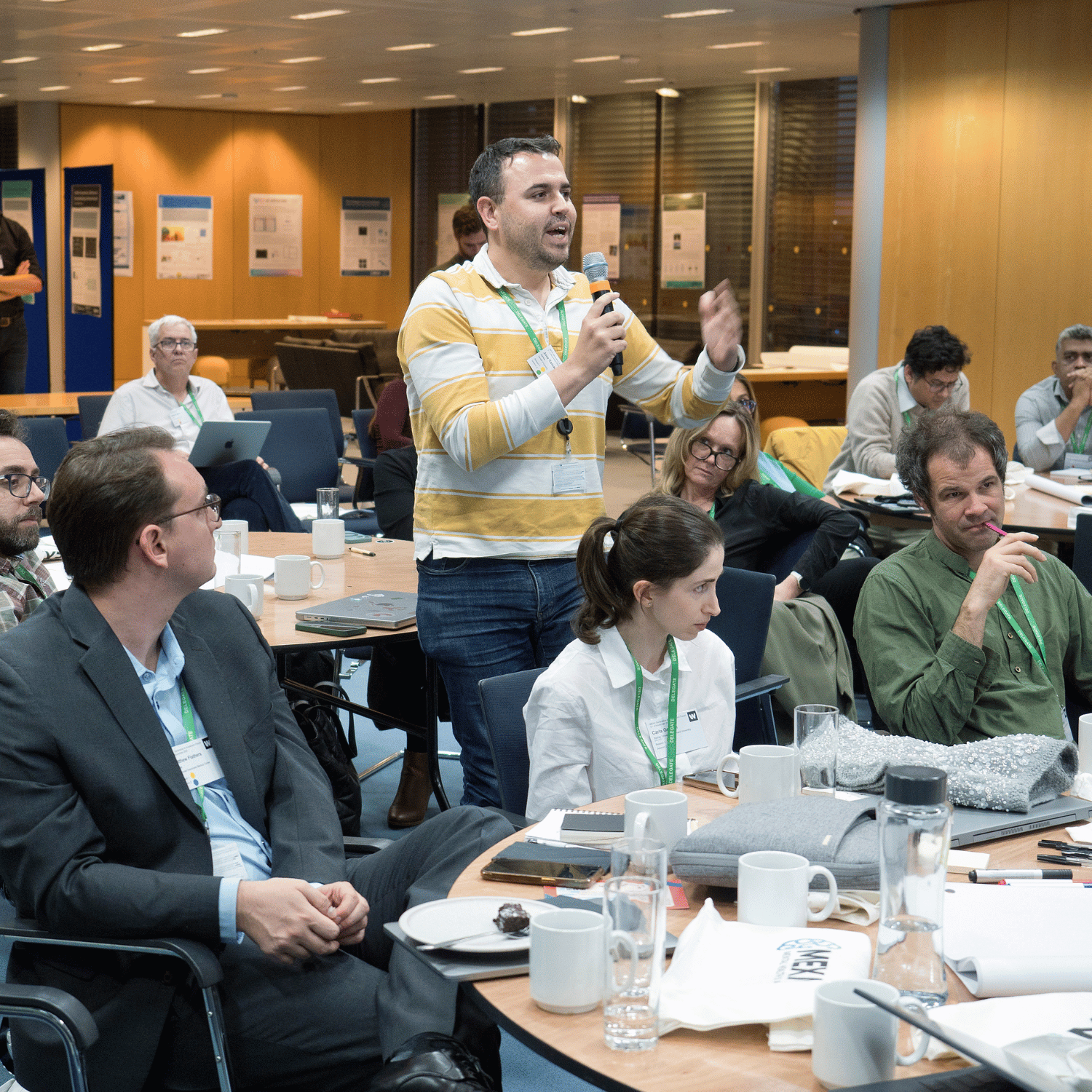
MEXA Accelerator in-person convening at Wellcome, London, 2025

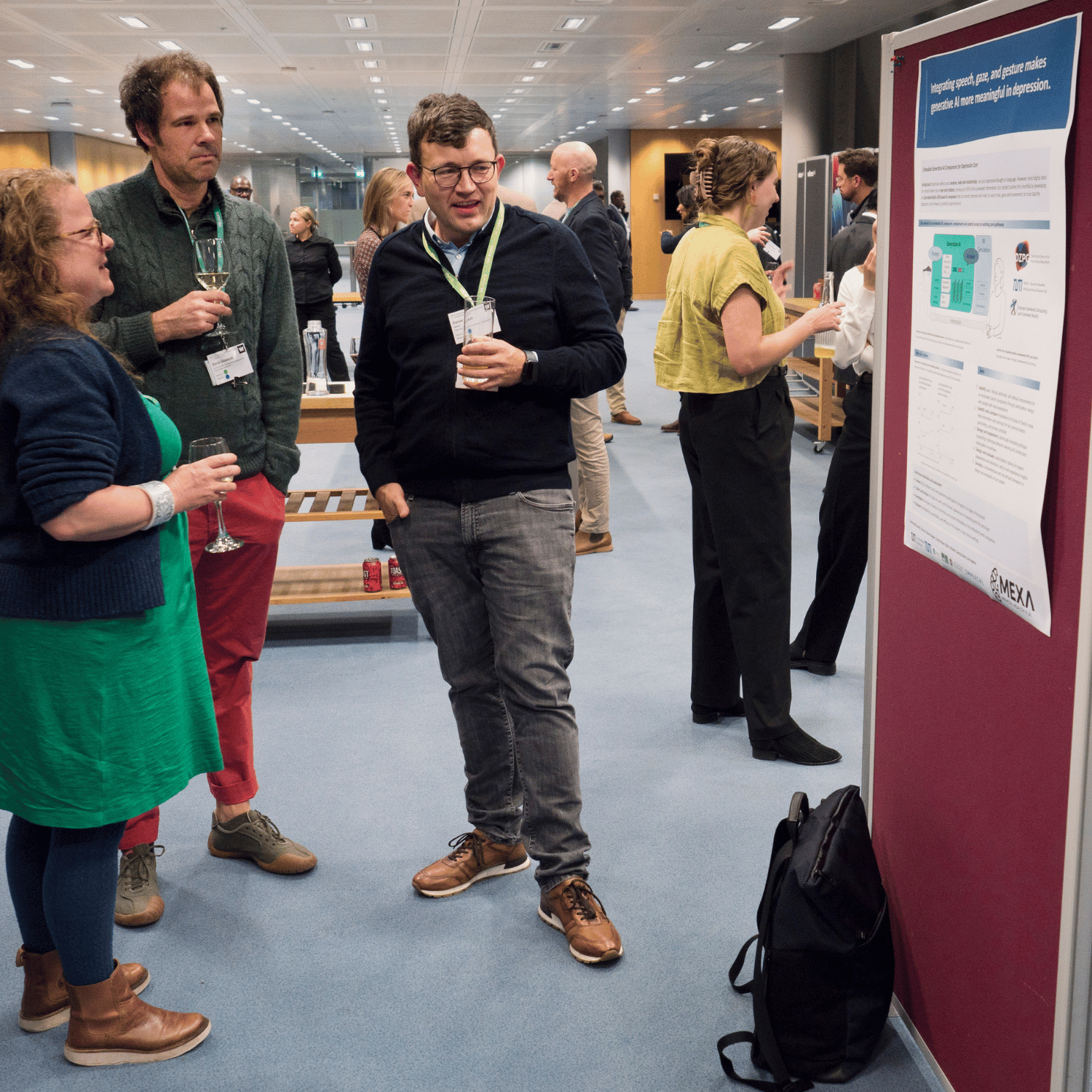

MEXA Community Reflections
Real voices. Real impact.
“MEXA is more than a network for me — it is a community of people who care deeply about how AI is built and who it serves.“

“The MEXA accelerator is a unique experience in proposal development. Our senior team members haven’t seen anything like it, and have repeatedly emphasized how useful this is for more junior researchers.“

“MEXA represents the future of mental healthcare. MEXA is shaping the future of mental health and AI.”

“I’ve joined the MEXA community to connect and learn from individuals at the intersection of mental health and artificial intelligence. I’m also excited by the possibility of meeting potential team members, mentors, advisors or users of the platform.”